Dental Implants

Dental Implants FAQs

Straight answers to the questions we hear most — cost, comfort, timing, and how long implants really last.

Before You Read On

General Answers, and Then Yours

Everything below is true of implants in general. What it can’t tell you is what’s true of your jaw — how much bone you have, what’s happening around the gap, and which option that leaves open.

That takes a scan and a conversation. Use these answers to arrive at your consultation with better questions, not to replace it.

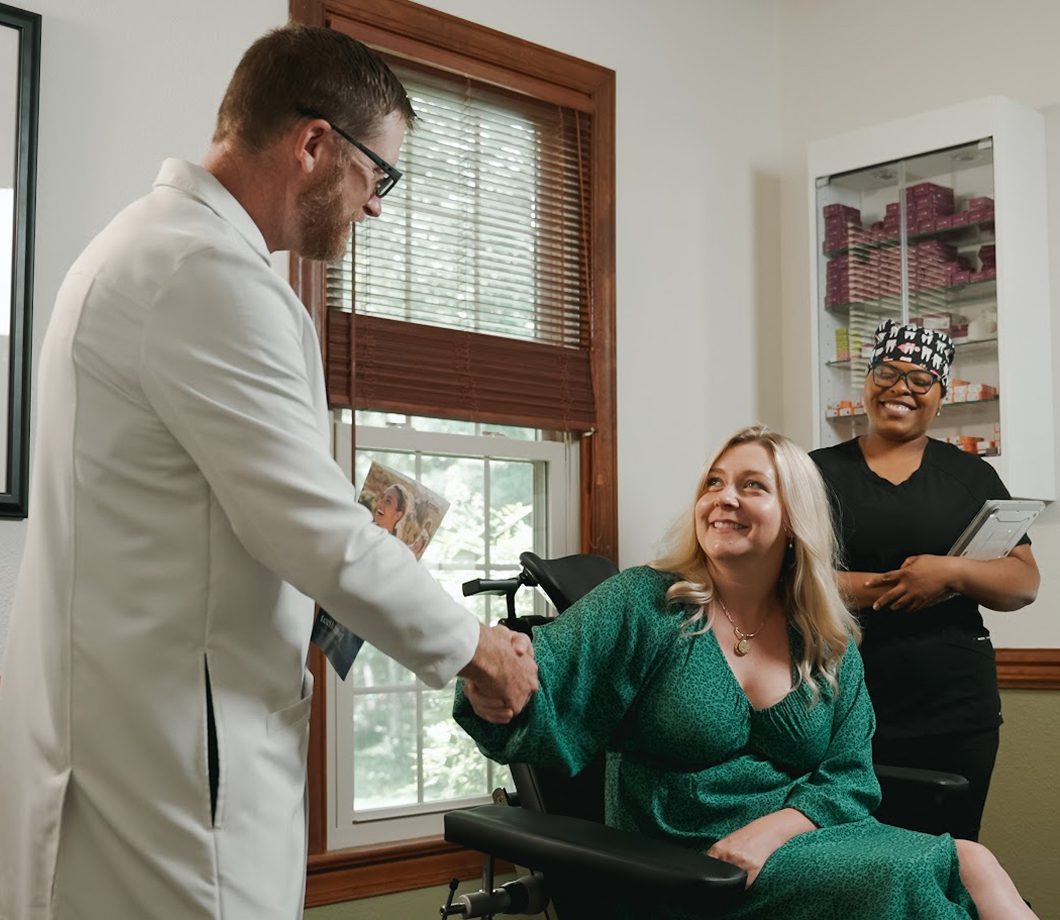
Dental implant patient consultation in Tallahassee, FL
Decades Expected Longevity

Made to last for decades

3D Precision Planning

Guided by CBCT imaging

4–6 Surgical Training

Additional surgical residency training

Patient Comfort

Sedation available for comfortable treatment

Part One

The Procedure & Recovery

What actually happens, how it feels, and how quickly you get back to normal.

Not during the procedure — the site is fully numbed, and sedation is available if you want it. Afterwards, most patients describe soreness rather than pain, and manage it with over-the-counter medication for a few days.

A single implant placement usually takes 60 to 90 minutes. Most of that is preparation and precision, not drilling — the implant itself goes in within minutes.

Only if you want to be. Most single implants are placed under local anesthetic alone. IV sedation is available for anxious patients and is standard for longer full-arch procedures.

Most people return to work the next day. Swelling and tenderness typically peak around day two or three and settle within a week. The bone underneath keeps healing for months, which is why the final crown waits. See our post-operative instructions.

Usually not. We can fit a temporary tooth so you’re not walking around with a visible space during the months the implant is fusing.

Soft foods for the first several days, then gradually back to normal as comfort allows. For full-arch treatment, expect a soft diet for roughly eight to twelve weeks to protect the implants while they fuse.

Part Two

Cost & Insurance

The part most websites are vague about. Here’s how we handle it.

It depends on whether you need an extraction or bone graft first, how many implants are involved, and the restoration on top. We give you a written estimate at your consultation rather than a range — so you’re comparing a real number. See financial information.

Coverage varies widely by plan. Some portions of implant treatment may fall under medical rather than dental insurance, particularly after an injury or when treatment is medically necessary. We verify your benefits before your visit — see our insurance page.

Yes. We can discuss financing options at your consultation so the cost can be spread over time rather than paid at once.

An implant usually costs more up front and takes longer, but it doesn’t require filing down the healthy teeth next to the gap, and it preserves the jawbone. Over a lifetime that often makes it the less expensive choice. Compare all options.

Part Three

Living With Implants

What the next twenty years look like, once the treatment is behind you.

With proper care, the implant post itself can last for decades — good hygiene and regular checkups are what protect it. The crown on top is the part that may eventually need replacing, much like any other dental restoration.

No — the implant and crown can’t decay. The gum and bone around them can still develop disease, however, which is why brushing, flossing, and checkups still matter just as much.

The main risk is the implant not fusing with the bone. Smoking, uncontrolled diabetes, and untreated gum disease all raise that risk, which is why we review your health history carefully before planning treatment.

No. Titanium implants are small and non-magnetic, and they don’t trigger security scanners.

Yes. Titanium is non-magnetic and safe in an MRI scanner. Tell your radiographer anyway, as implants can occasionally affect image clarity in the immediate area.

It shouldn’t. The crown is shaped and shaded against the teeth beside it, so in most cases neither you nor anyone else can pick out which tooth is the implant.

Why Patients Choose Us

Surgical Training, Start to Finish

Implants are all we’d want done on our own families — so this is how we do them for yours.

Board-Certified Surgeon

Your implant is placed by an oral and maxillofacial surgeon — not a general dentist.

3D-Guided Planning

Cone-beam imaging maps your bone and nerves before we ever pick up an instrument.

Sedation Options

From local anesthetic to IV sedation, you choose the comfort level that suits you.

Costs Up Front

You get a written estimate and your benefits verified before you commit to anything.

Restorations That Match

Your crown is shaped and shaded against the teeth beside it, not to a stock chart.

One Team, Start to Finish

The same surgeon who plans your case places it and follows you through healing.

Still Have Questions?

Ask Us Directly

Schedule a consultation and get a clear plan, a written estimate, and answers to every question — with no pressure to book anything on the spot.

Mon–Thu 8:00am – 4:00pm  ·  Fri 7:00am – 3:00pm